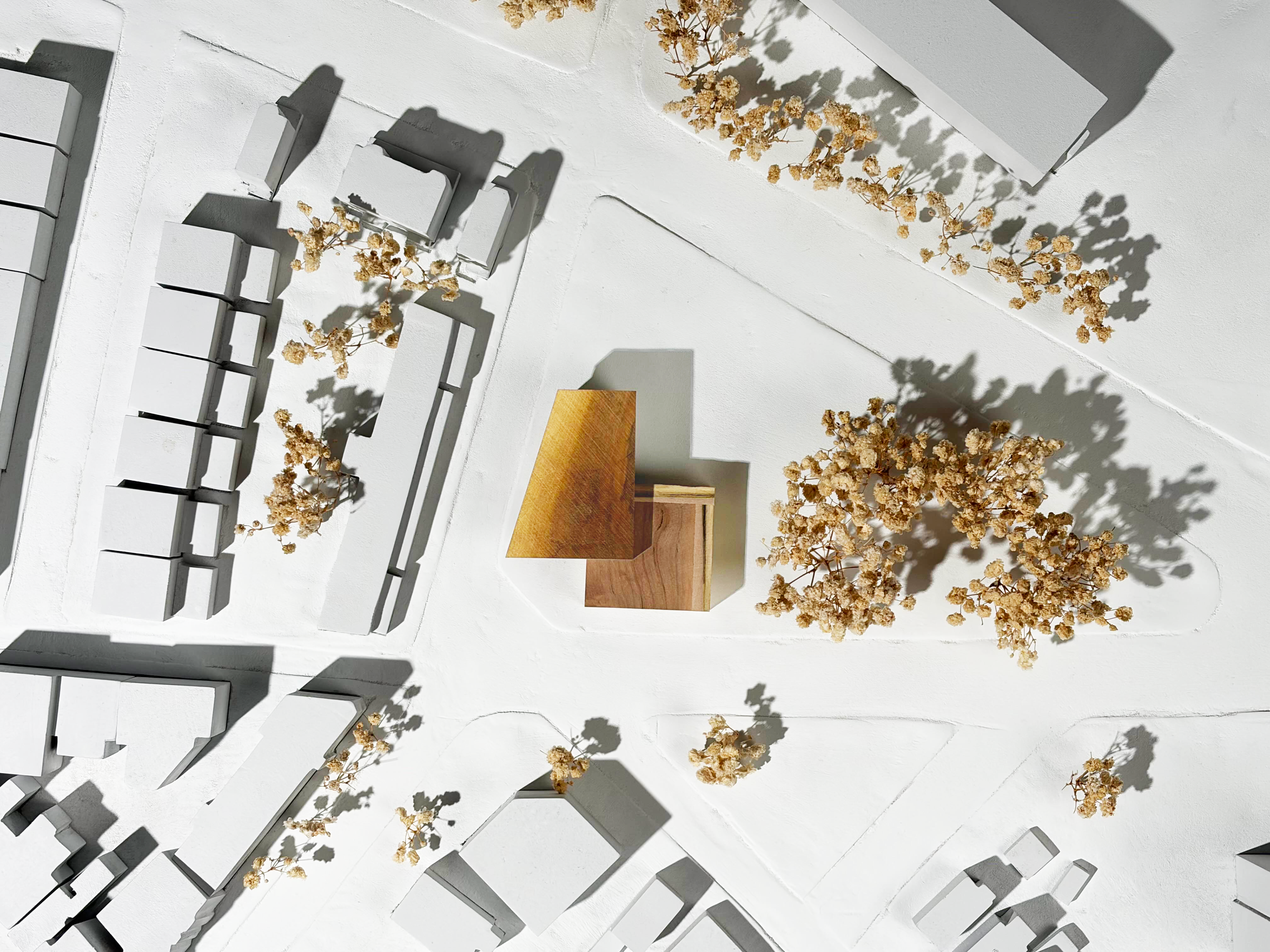
Sheep - Theater Hybrid
Glass House - Theater Hybrid
PRECEDENTS
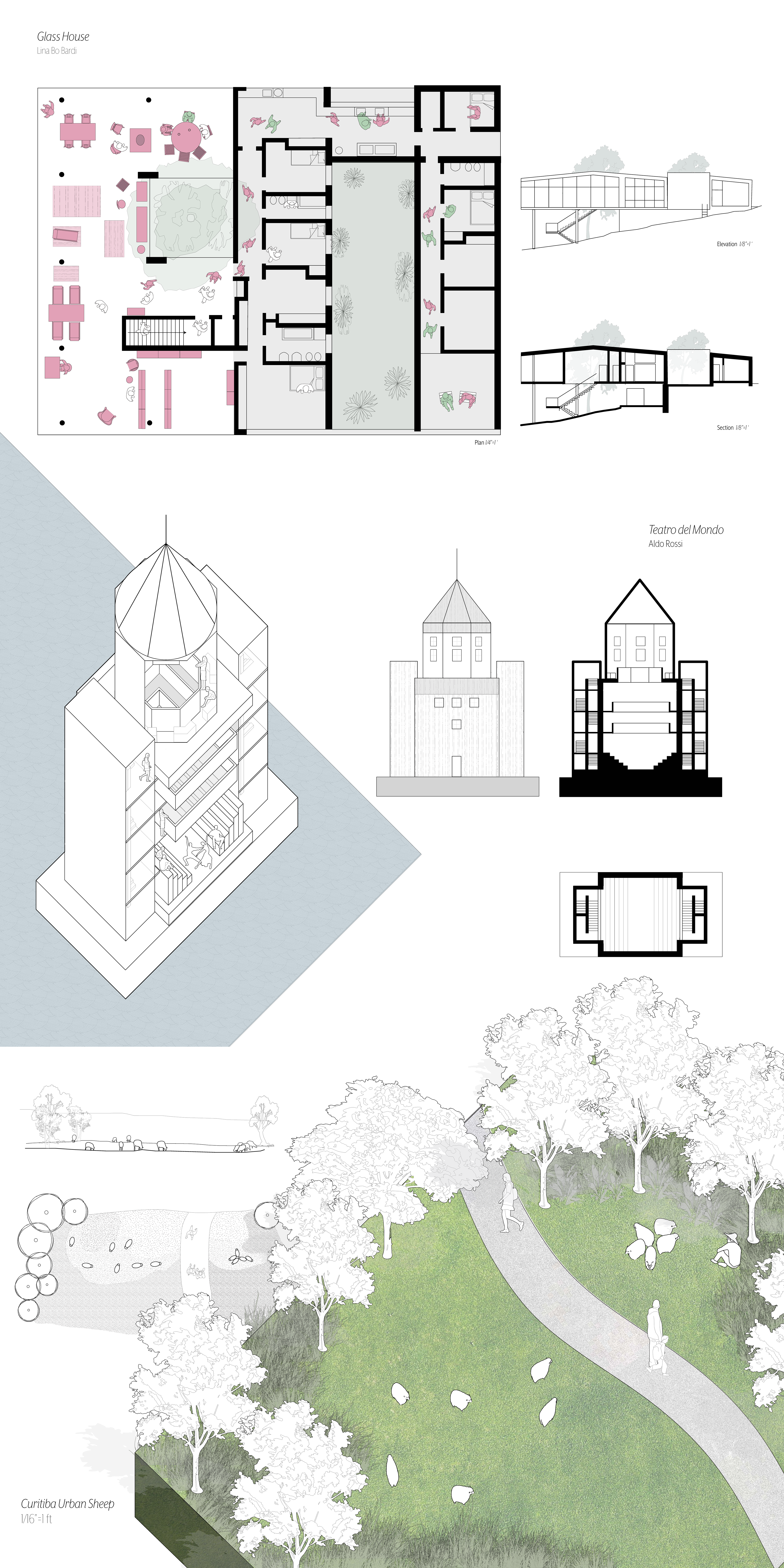
For studio project MESH, after the initial exploration of animal conditions, I also studied precedents before partnering up. My three precedents were Lina Bo Bardi's Brazilian Glass House, Teatro del Mondo, and Curitiba urban sheep.
Lina Bo Bardi’s Glass House is elevated on metal columns to blend with the surrounding landscape, resembling a treehouse. A significant portion of the home is made entirely of glass, which serves as the public-facing area where she entertains guests and displays her collection of chairs, artifacts, and books. In contrast, the private areas are located in a more enclosed, grayed-out section of the house. These include her and her husband's living spaces, with the kitchen acting as a transition zone between the guest bedrooms and their private rooms.
The Teatro del Mondo, or World Theater, was a floating theater that hosted a limited number of performances inspired by Shakespearean plays. It featured a dome at the top and balconies for viewing. The structure’s two primary columns housed all the stairs, eventually leading up into an octagonal dome and balcony space.
In Curitiba, Brazil, urban sheep are used as a form of natural maintenance for the city's extensive green spaces, which help manage flood risk. The sheep graze on the grass to prevent it from growing too long, typically moving in herds of eleven led by a shepherd. It’s common to see them in city parks, offering a gentle and integrated presence in the landscape.
HYBRIDS
For my architectural hybrids, I drew from three precedents: the Teatro del Mondo, Curitiba’s urban sheep, and Lina Bo Bardi’s Glass House.
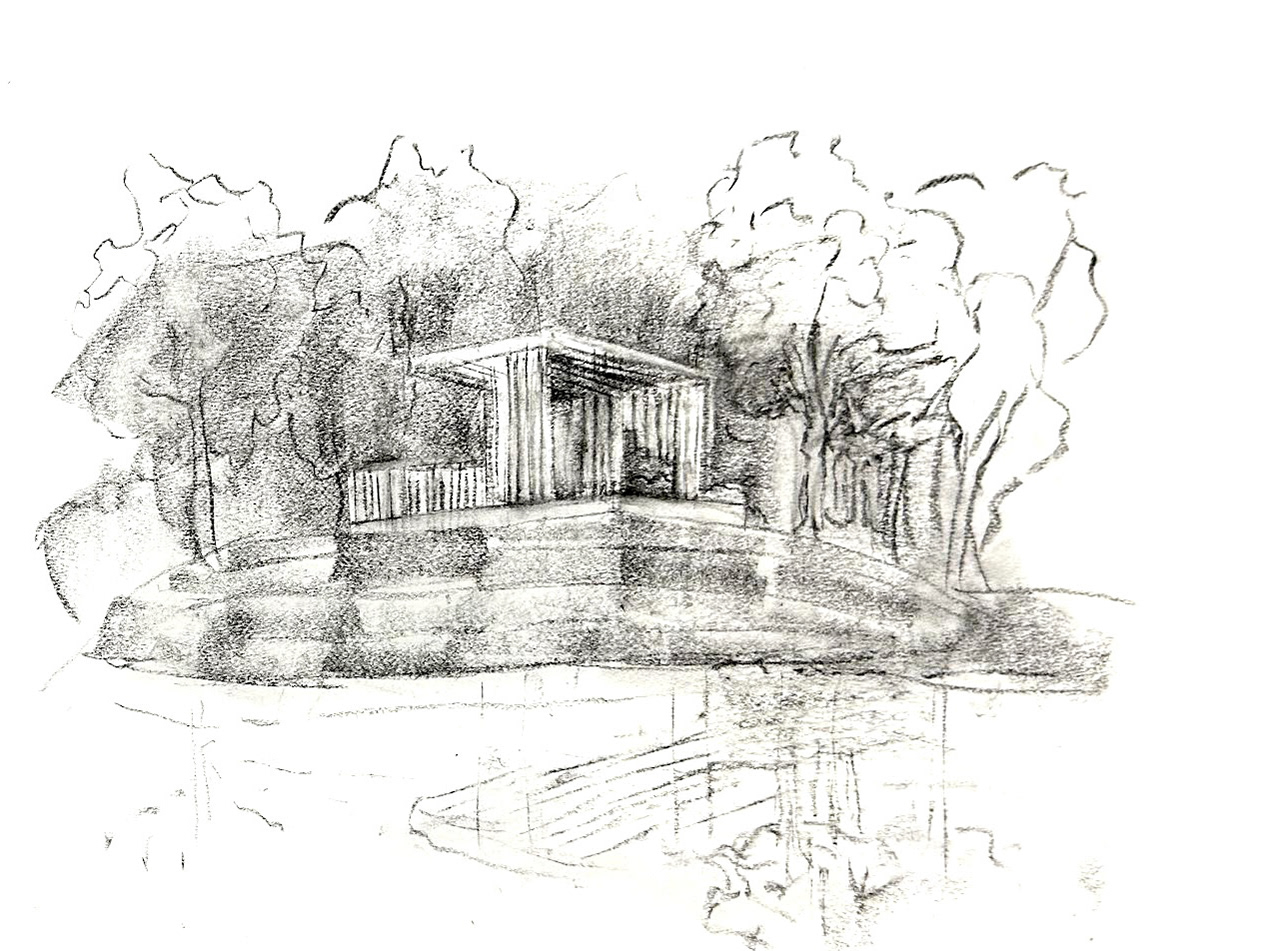
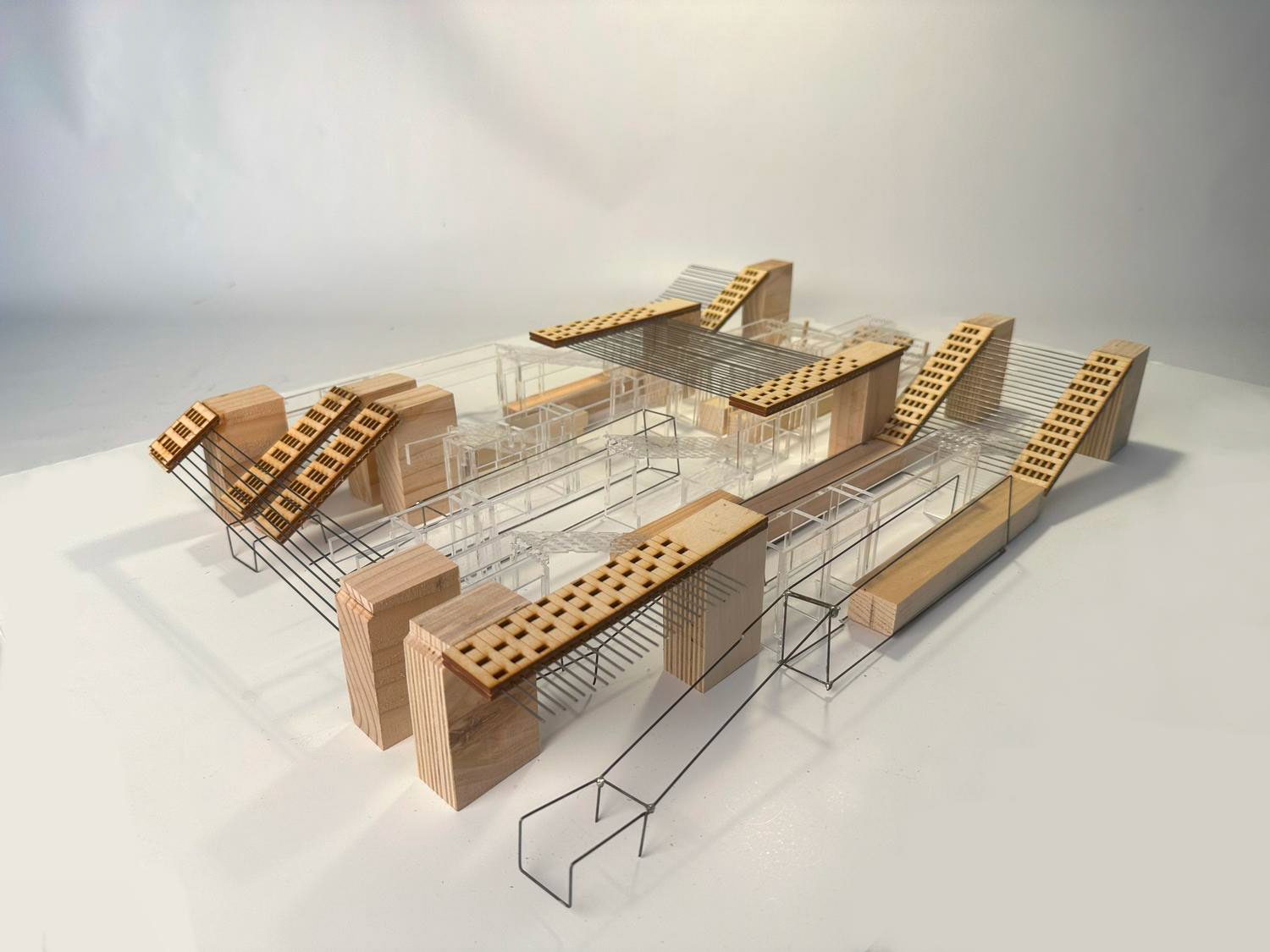
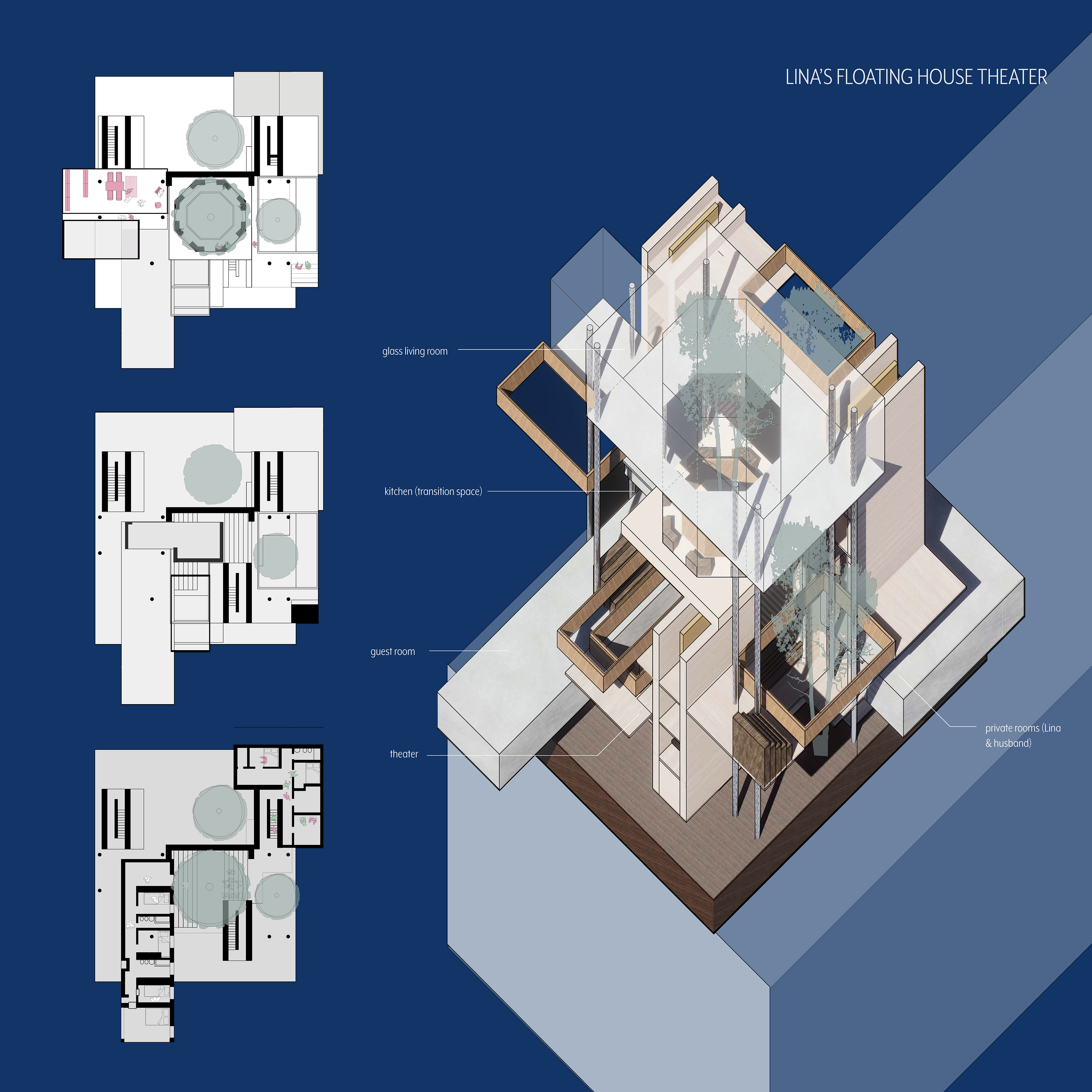
In the hybrid inspired by the Glass House, the lower levels are more private and darker. This reflects both the hidden concrete portion of Lina’s home and the spatial qualities of a theater. As the structure rises, it opens into a transparent, public area that recalls the glass portion of Lina’s house. Trees frame the upper levels, and multiple towers provide vertical circulation. These upper zones incorporate theater seating and balconies, referencing Lina and her husband's enjoyment of sitting outdoors.
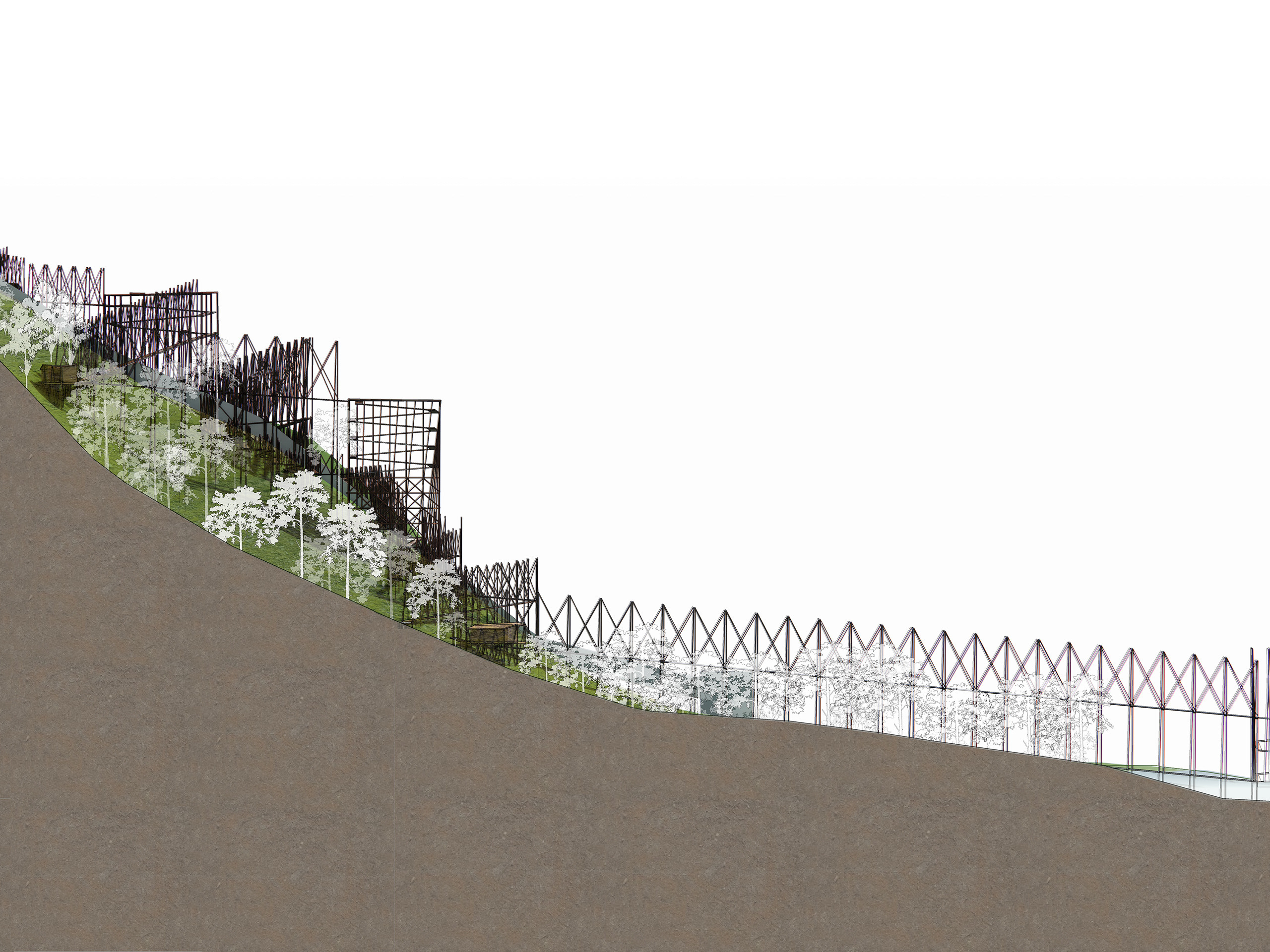
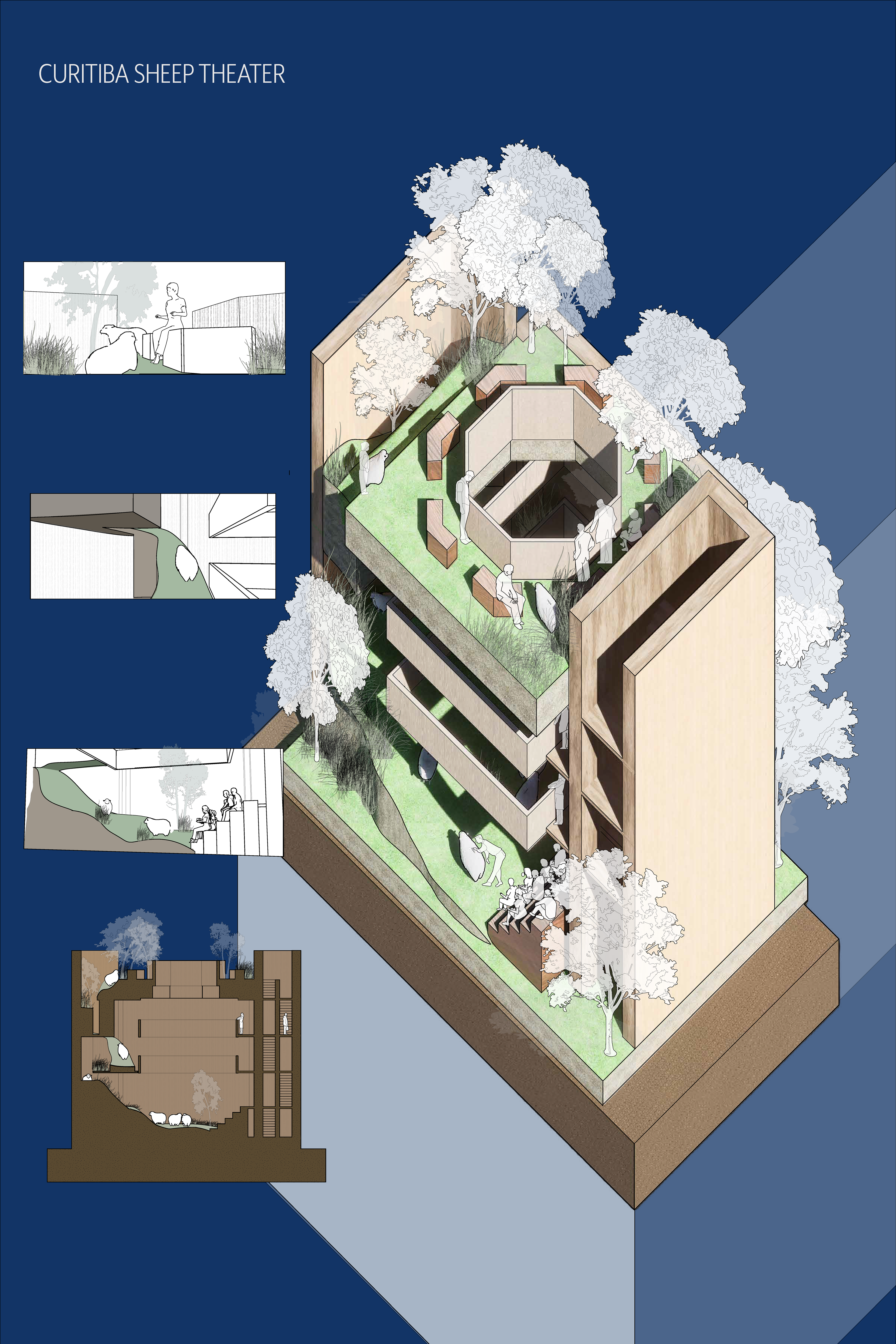
In the sheep-theater hybrid, the lower half of the building is occupied by sheep, who become part of the performance. The layout is split, with the left side dedicated to the sheep’s ascent and the right side designed for human movement. As one moves from bottom to top, the space shifts from a conventional theater to a more open park-like setting that promotes interaction between people and sheep. Because the sheep are led upward by a shepherd, the grass at the top grows tallest. At the base, where the sheep spend the most time and performances are concentrated, the grass remains shortest.