Type: Culinary Institute / Education
Location: Pittsburgh, PA
Partnered with Gaeun Jung
Clear Culinary Institute is located in Schenley Park, Pittsburgh with the core belief of raising awareness about the process of how food is made and where it comes from. Our concept revolves around the five steps in the process which are:
1 source / gardens
2 storage
3 cooking prep
4 eating
5 waste
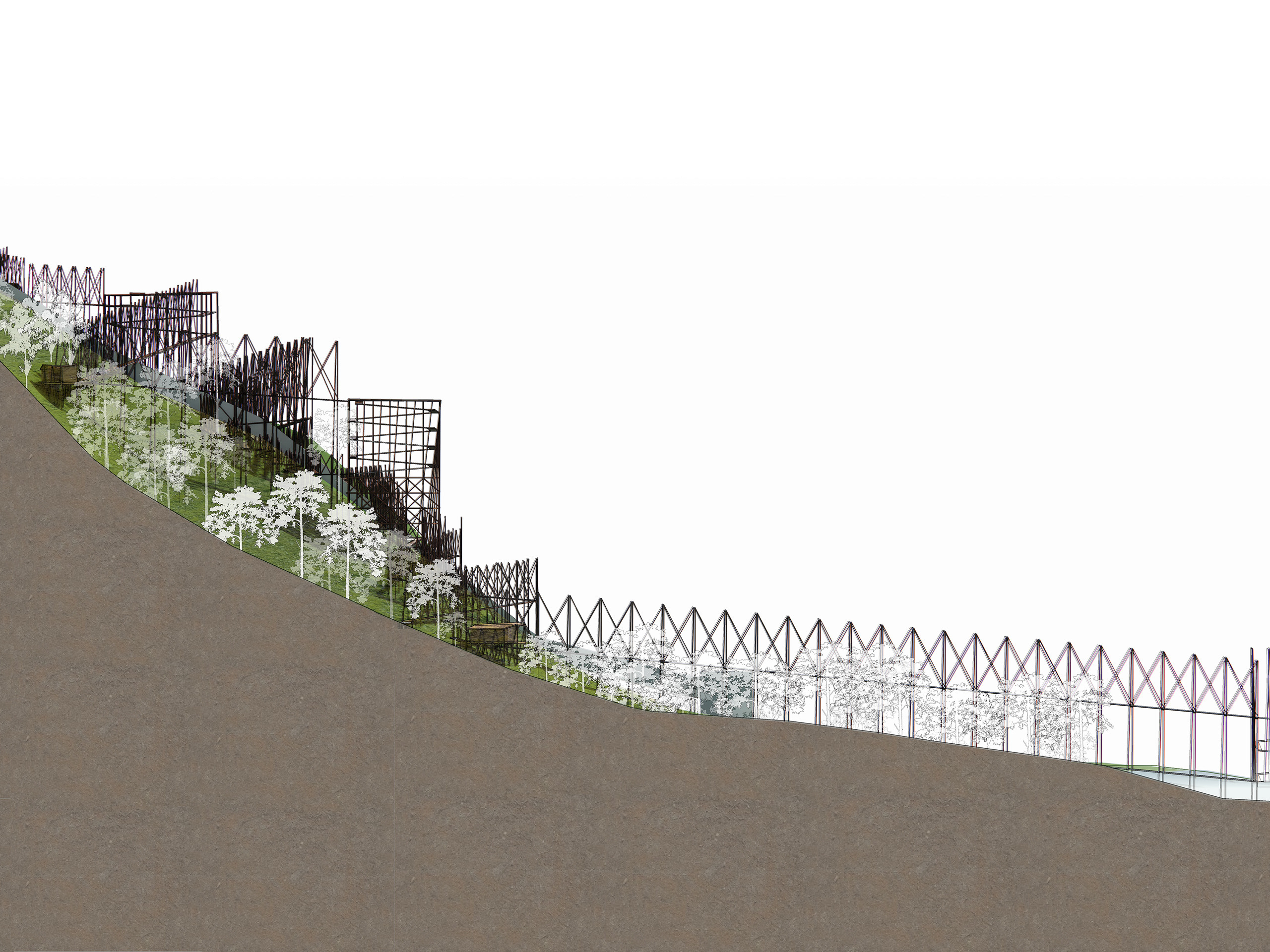
We want people to always be exposed to all five steps of the process no matter where they are. This institution will not only educate the students but also the public. Because this is an institute that values the natural cycle of food, this place has onsite recycling of water with sloped roofs , gardens, and composting of foods.
Field Drawing & Model
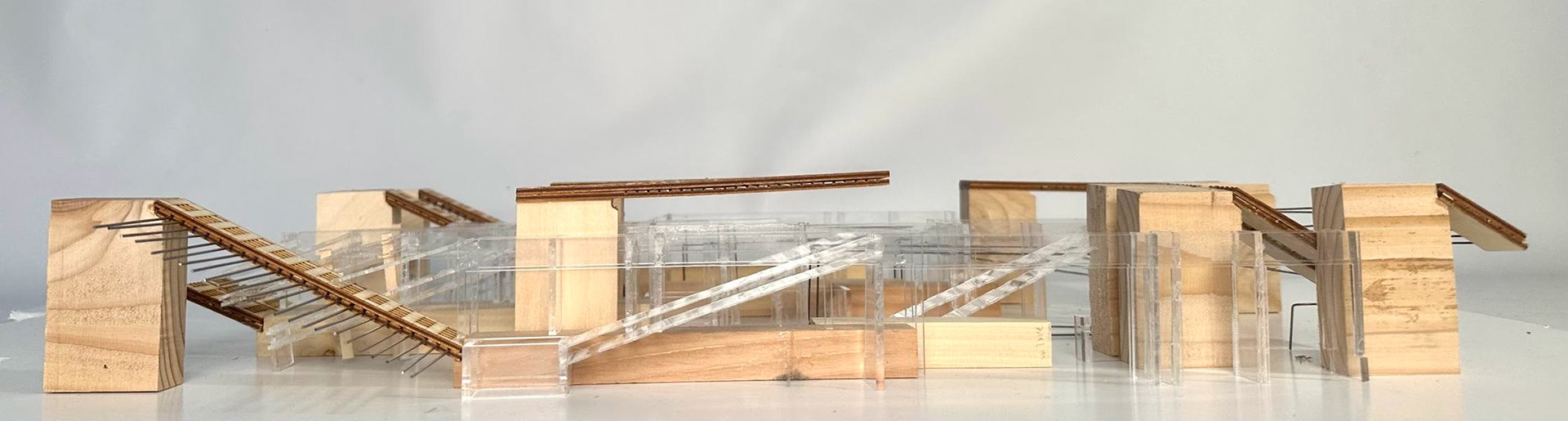
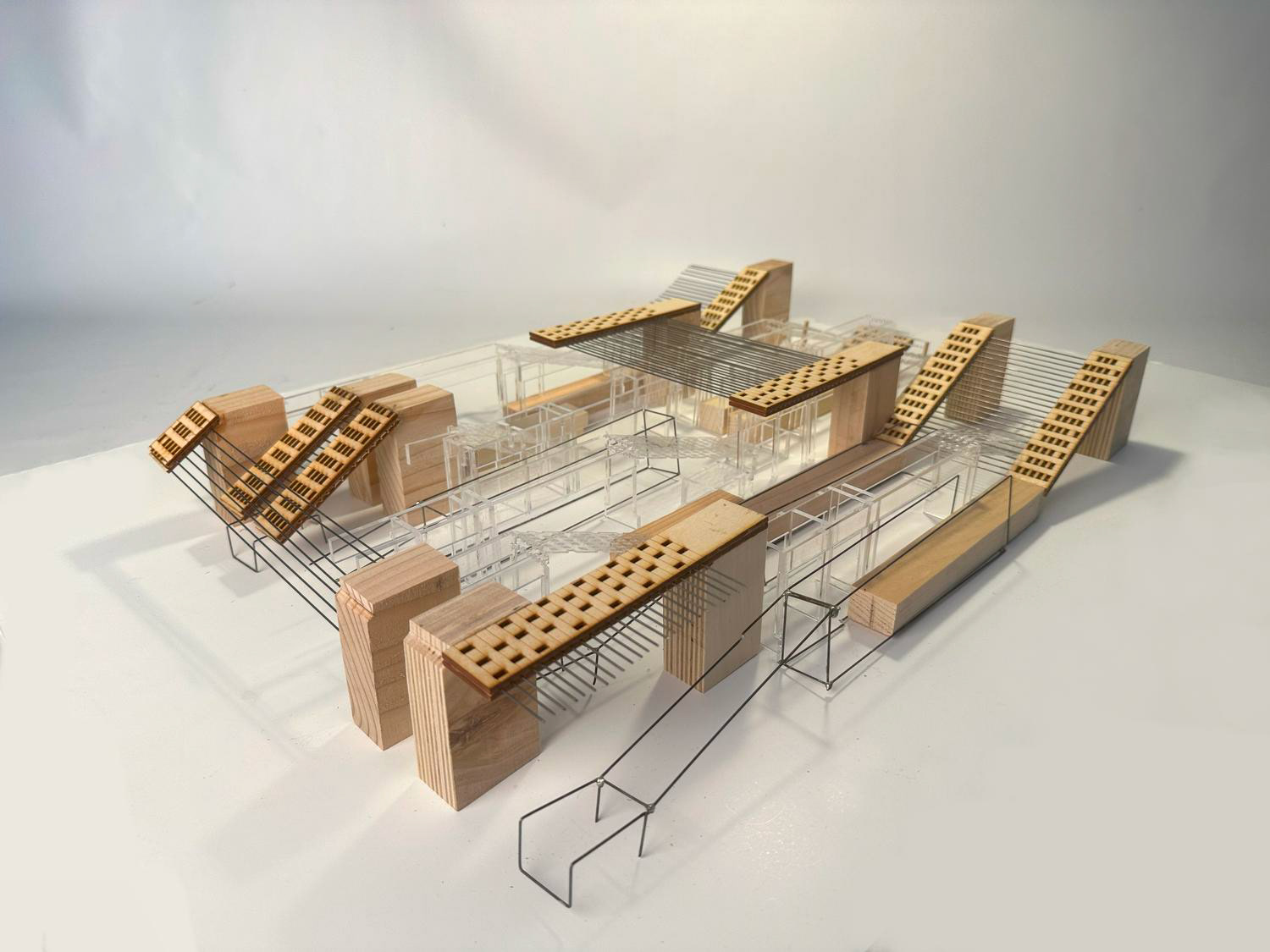
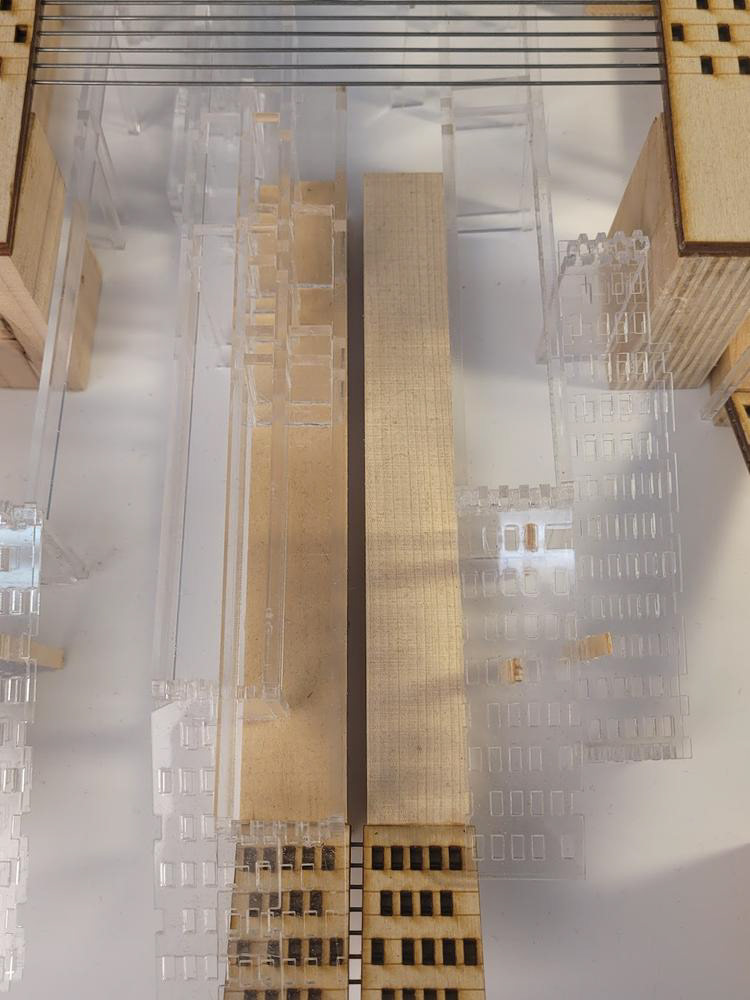
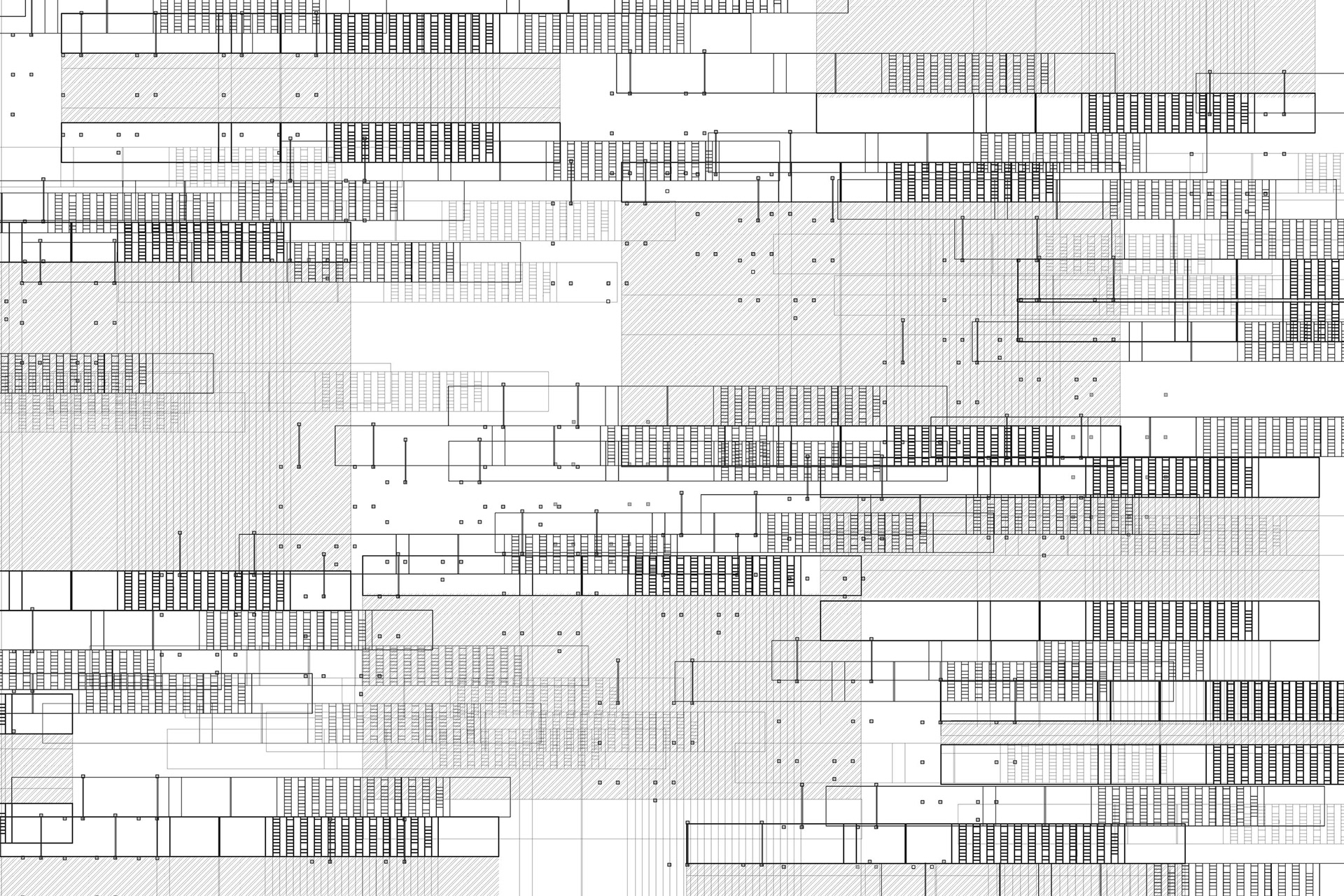
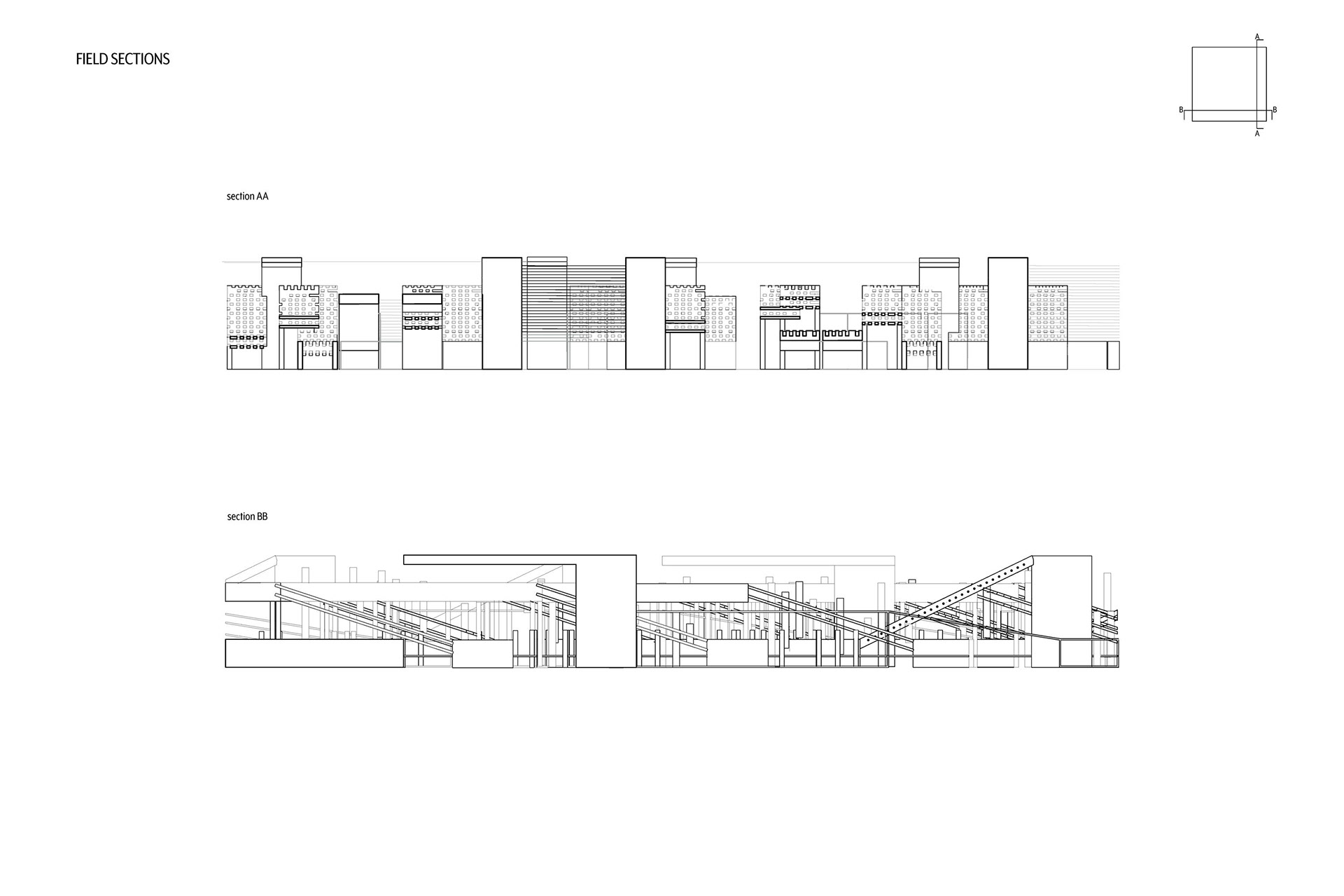
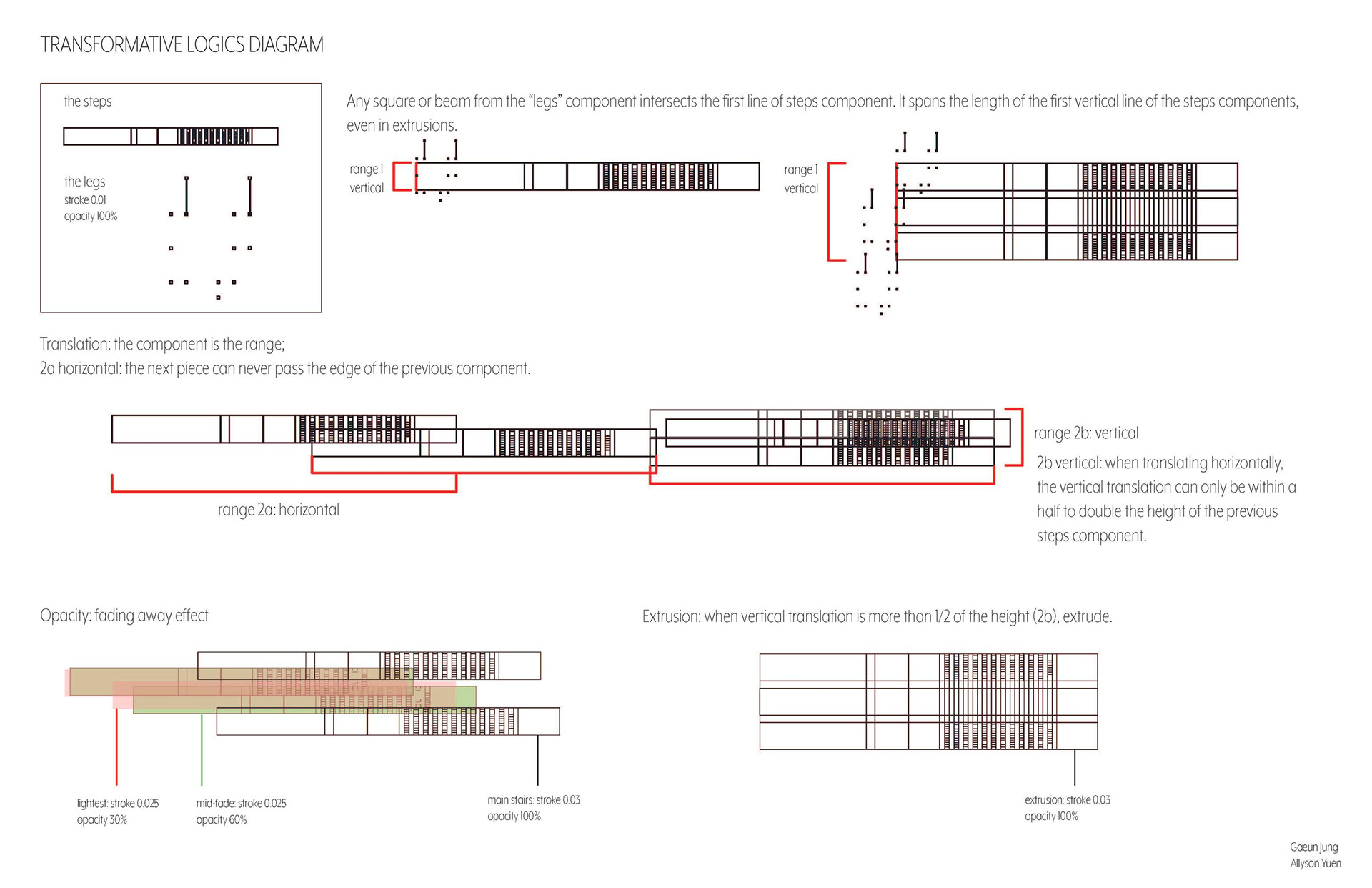
We used ideas of translation and opacity to create the field drawing, then turned it into 3d using wire, wood, and acrylic to represent different layers of information.
Field Drawing
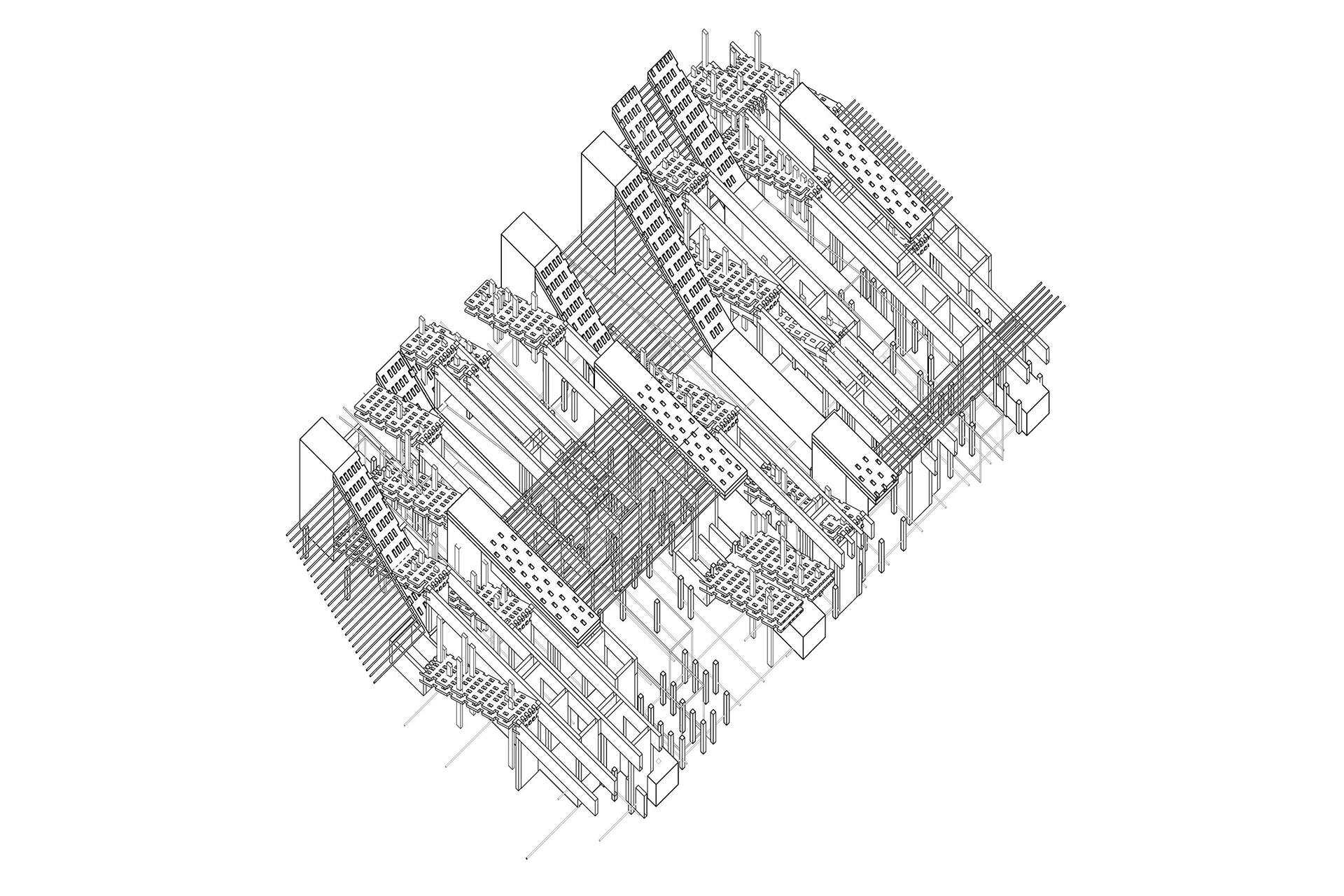
Axonometric
FINAL DESIGN
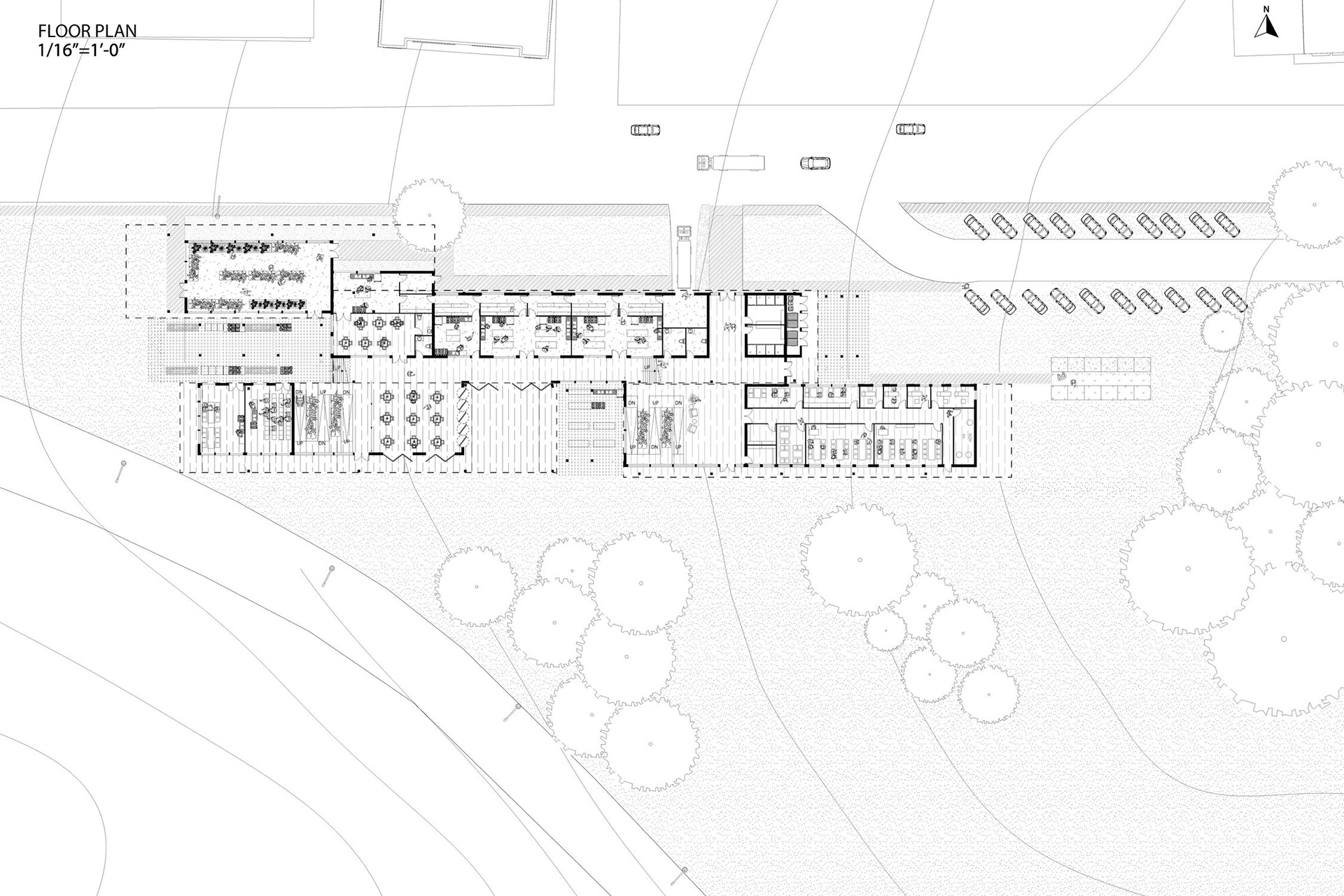
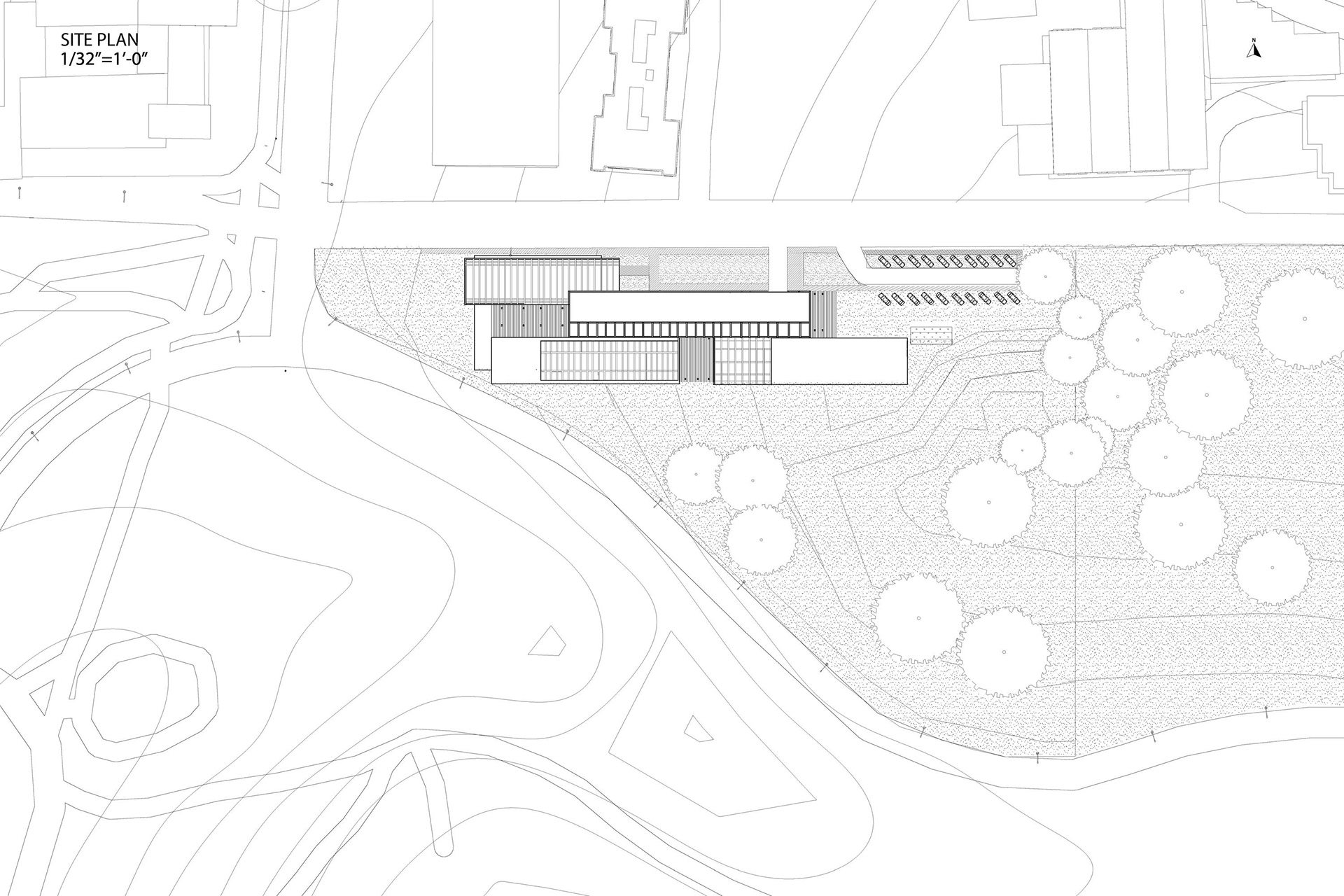
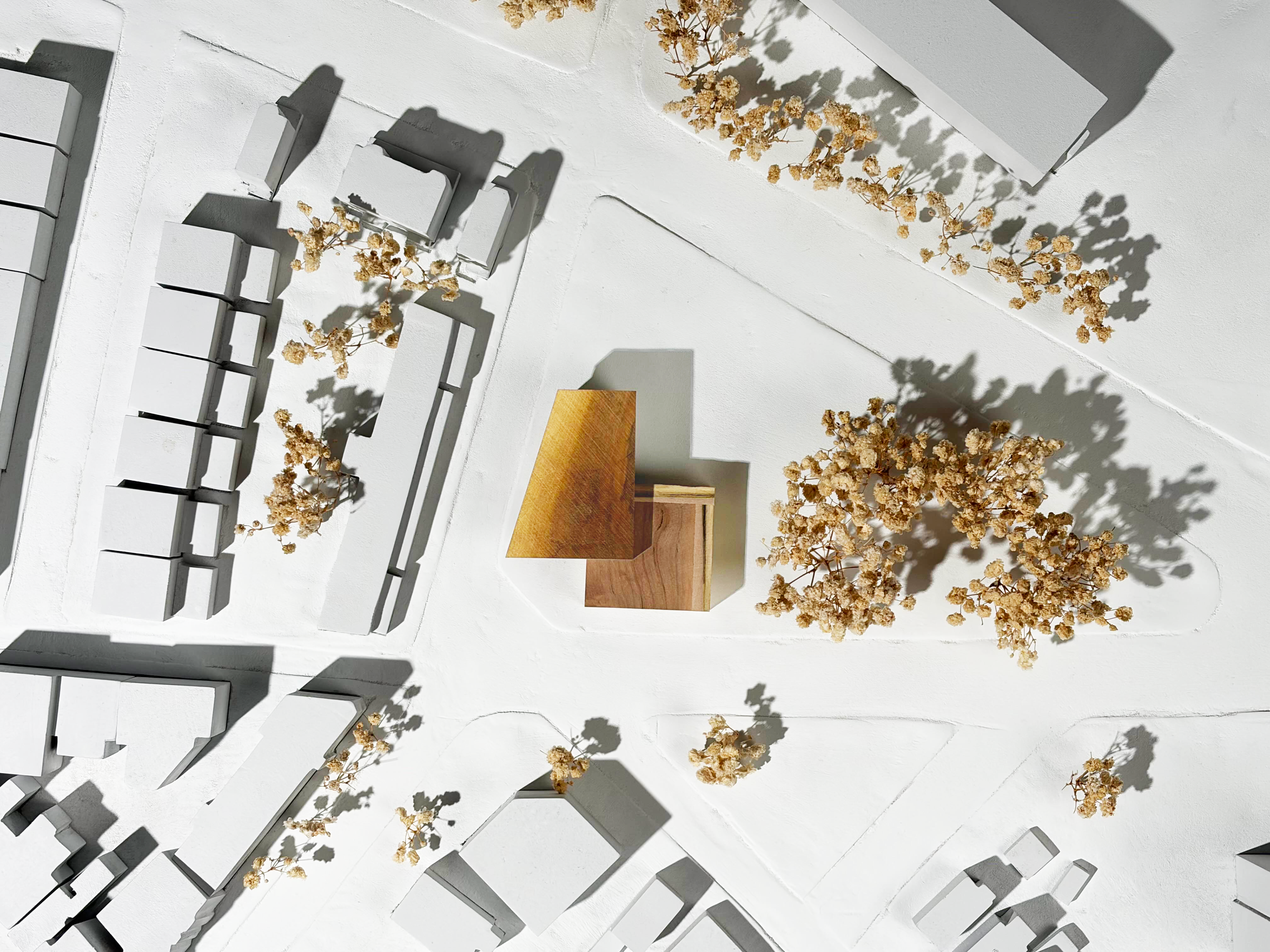
Site Plan
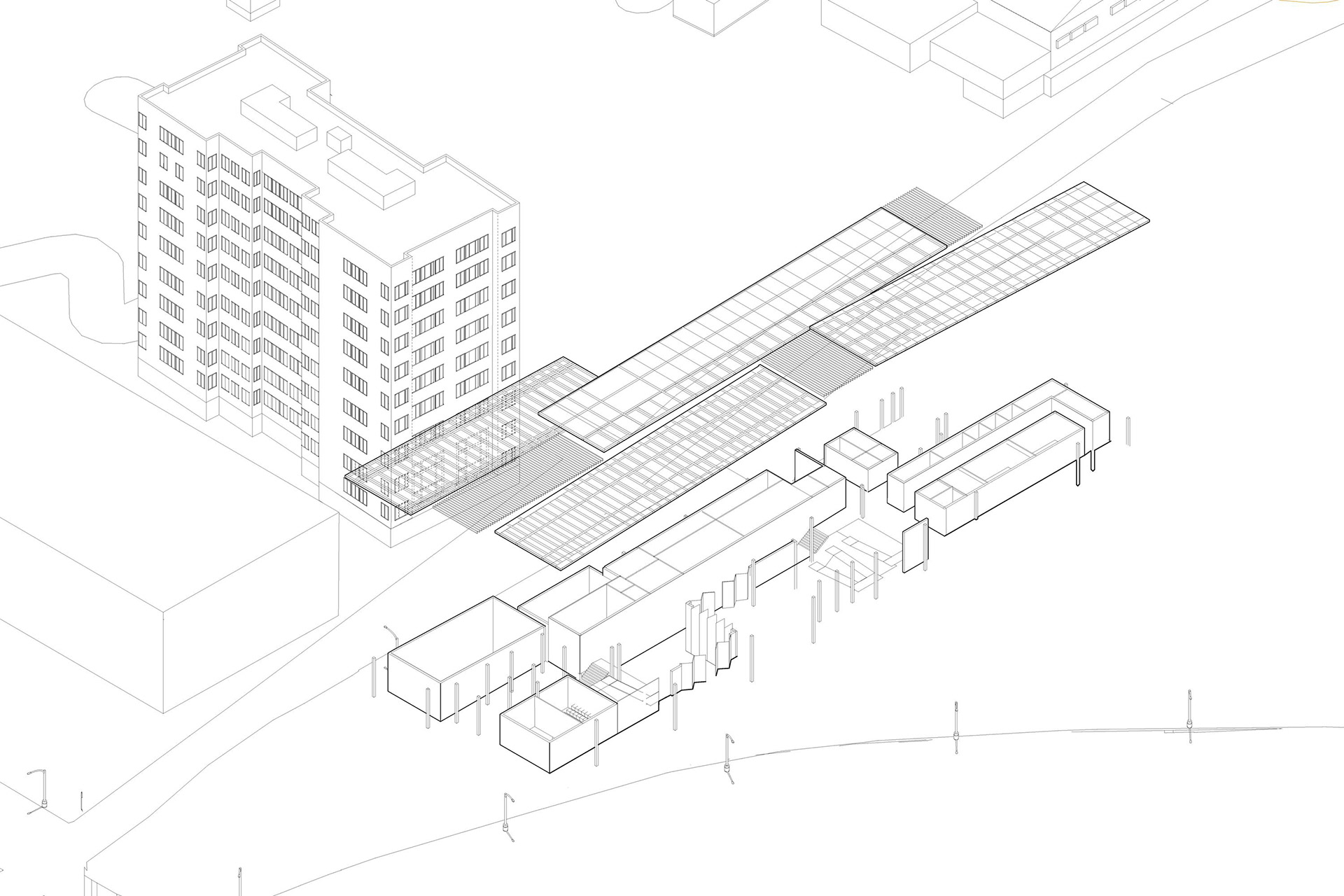
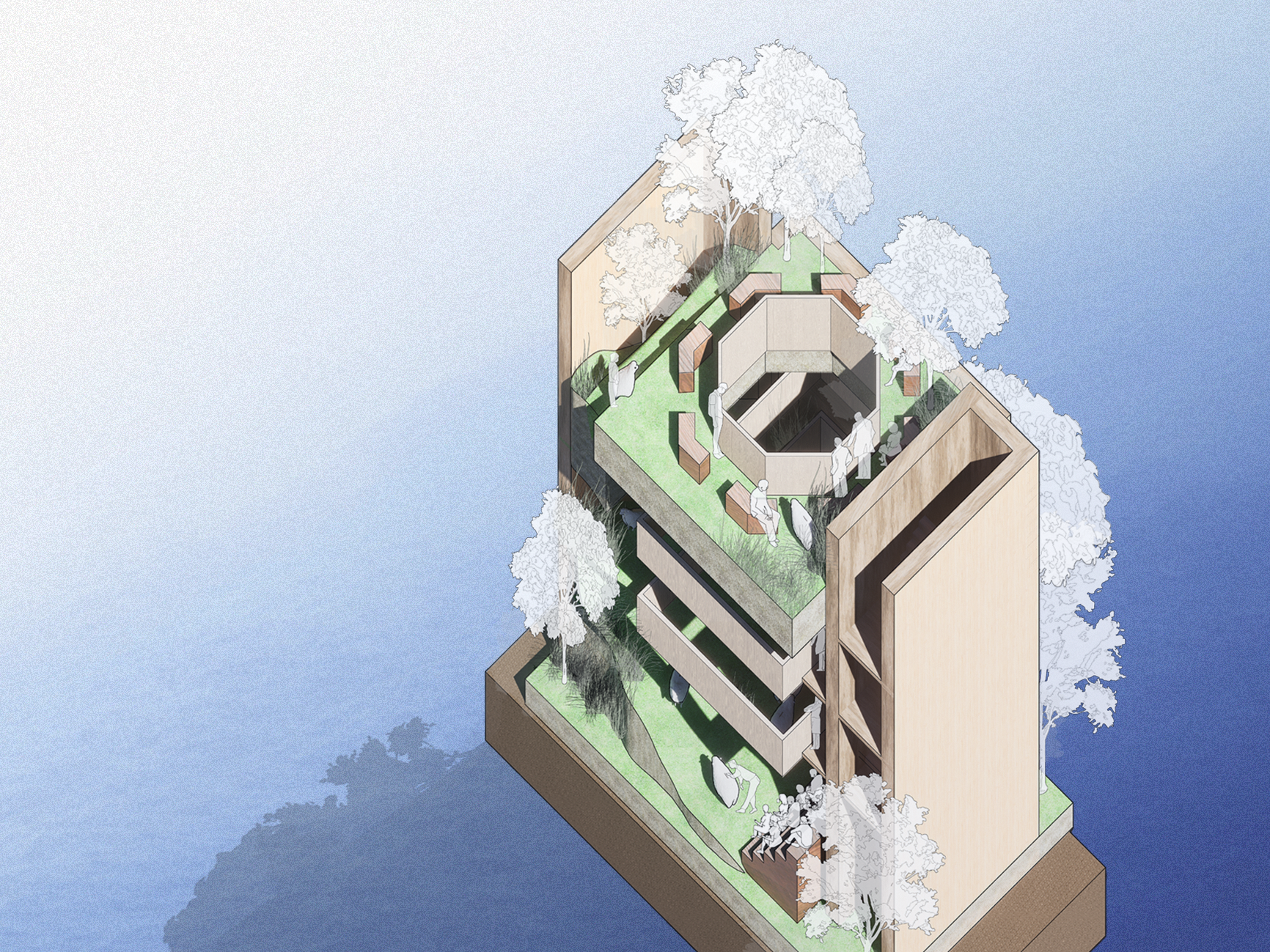
Exploded Axonometric
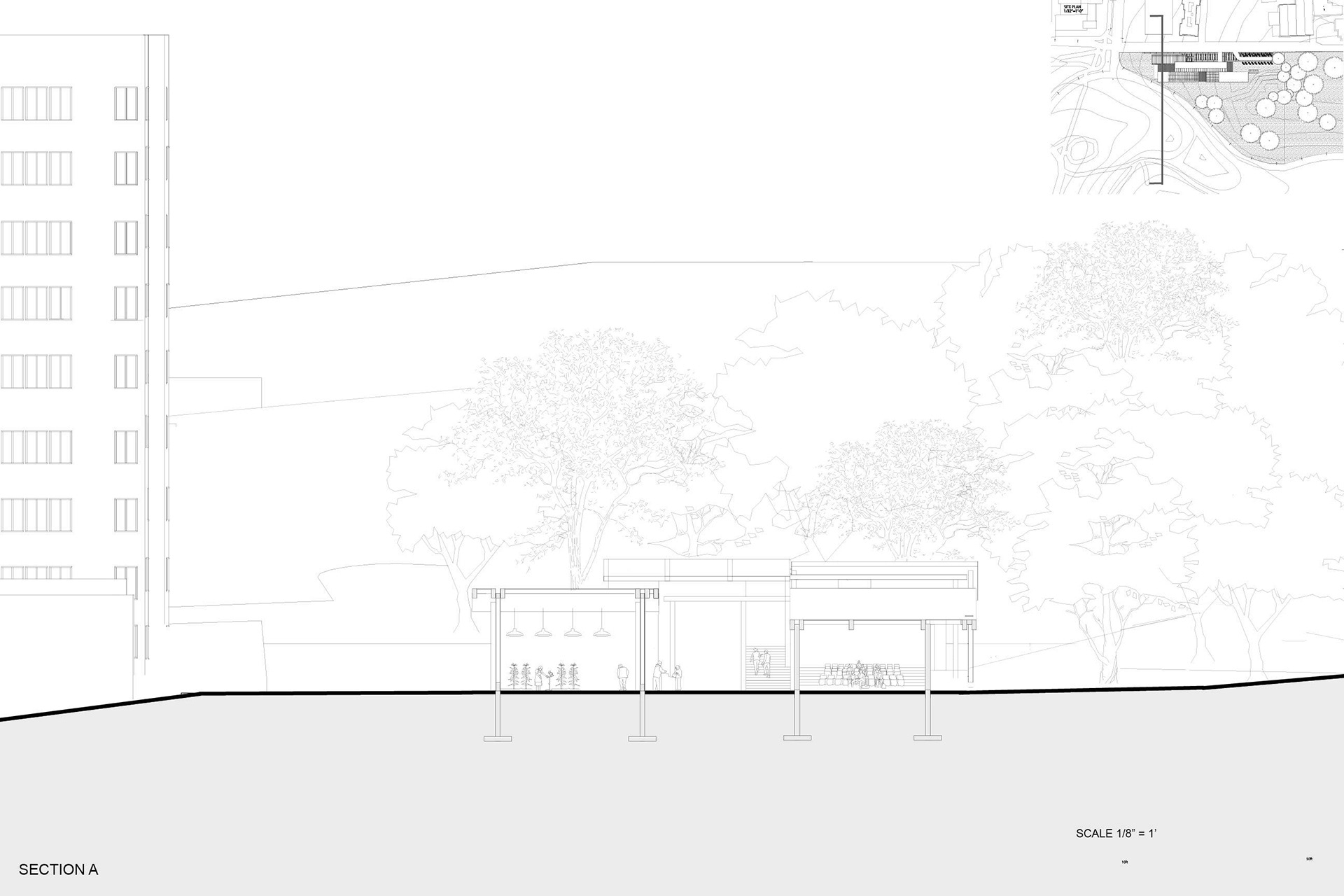
Short Section by Gaeun Jung
DIAGRAMS
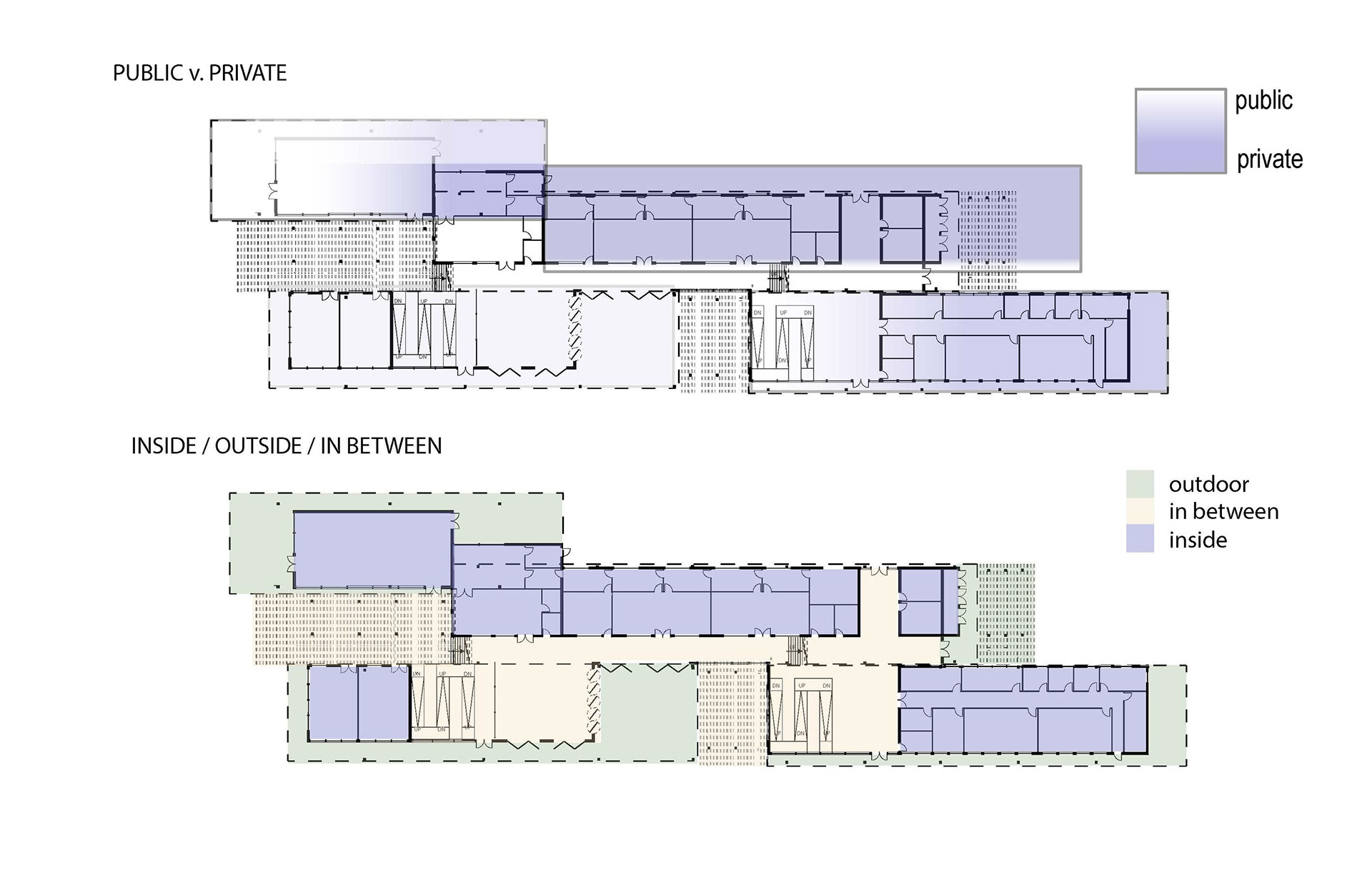
ROOF / Covering all these programs are four sloped roofs inspired by the field model. They are tied together with wooden awnings serving as cover when the roofs end. These form the inbetweens that are outside covered by either the roof or extrusions. We made it so that any circulation, loading, waste, students, and public are protected while being connected to nature.
Each roof has a set of columns and a wooden grid structure. The grids are filled with wooden panels, glass, or polycarbonate depending on the program it covers. For example, bathrooms and classrooms are more private and would be covered with wood. As the roof covers more and more public areas and circulation, those become glass or polycarbonate for opacity, as it was a motif in our field drawing (top left).
Each roof has a set of columns and a wooden grid structure. The grids are filled with wooden panels, glass, or polycarbonate depending on the program it covers. For example, bathrooms and classrooms are more private and would be covered with wood. As the roof covers more and more public areas and circulation, those become glass or polycarbonate for opacity, as it was a motif in our field drawing (top left).
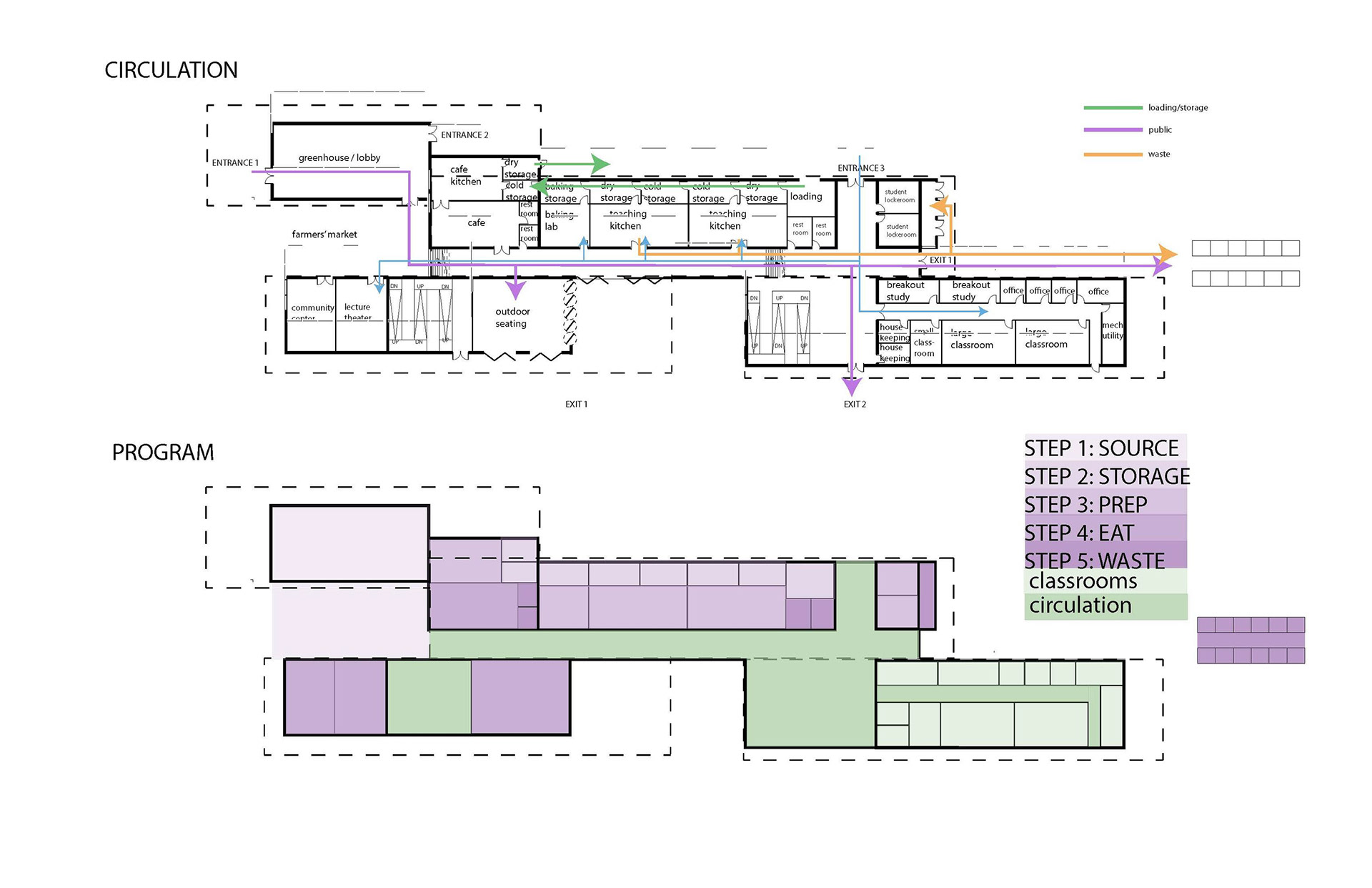
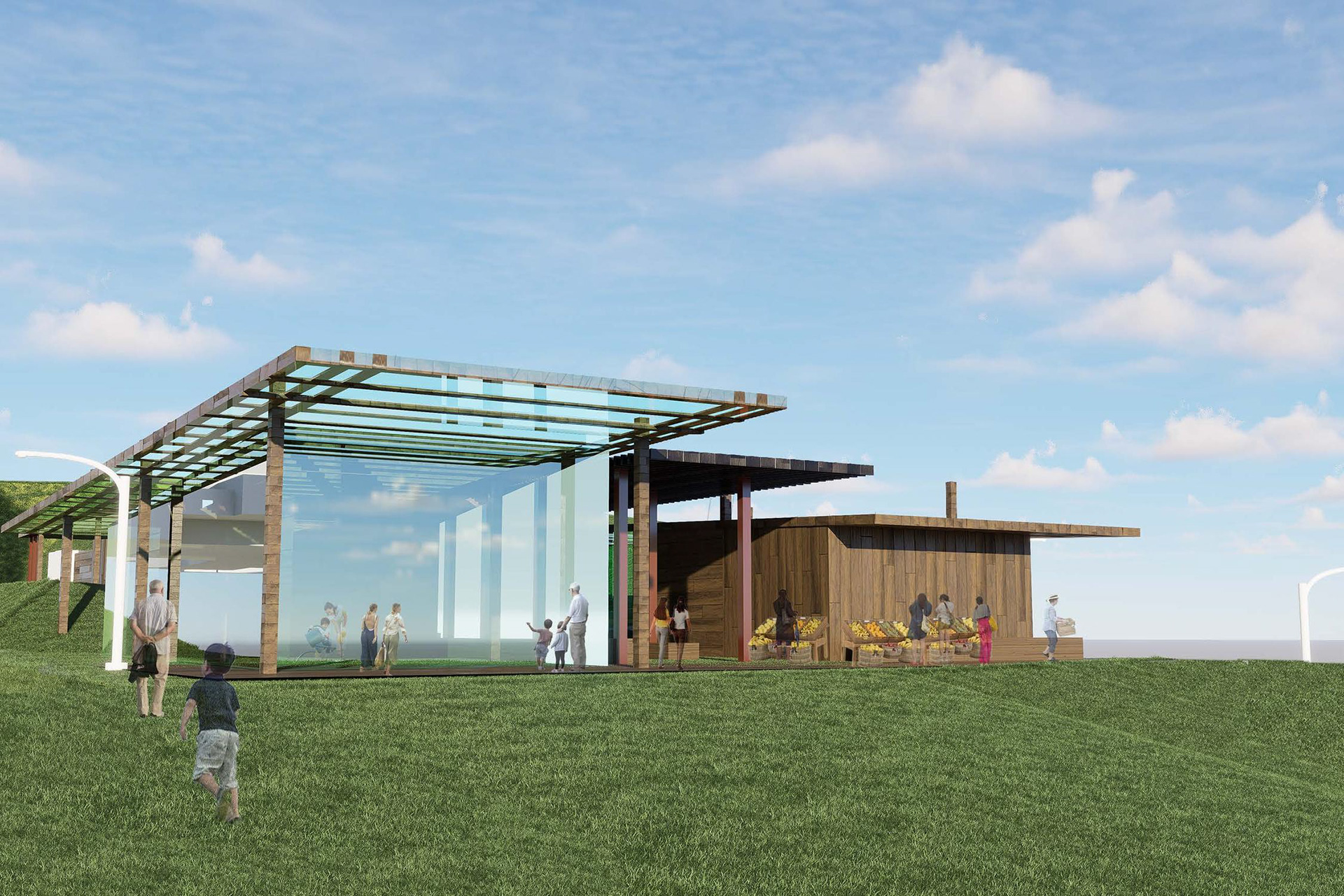
Circulation and Program (Linear Organization) / When people first approach the site, the front is a glass greenhouse, the source. There are two entrances, one for the people walking from northwest, and the different modes of transportation, cars and bus, thus a parking lot. Along the same horizontal axis is loading, which is also considered a source of food. After walking past the greenhouse, people are in an in-between space: the farmer’s market shielded by the wooden awnings. For step 2, storage, all the storages connect to each other and respective prep areas. Step 3 is right under step 2, with all the teaching kitchens and the cafe. We have our step 4 in the bottom left, community kitchen and lecture theater. The last roof is one for students only.
For waste, we wanted to be transparent about it but for the comfort of occupants and waste circulation out from kitchens, we put it in the back of the building.